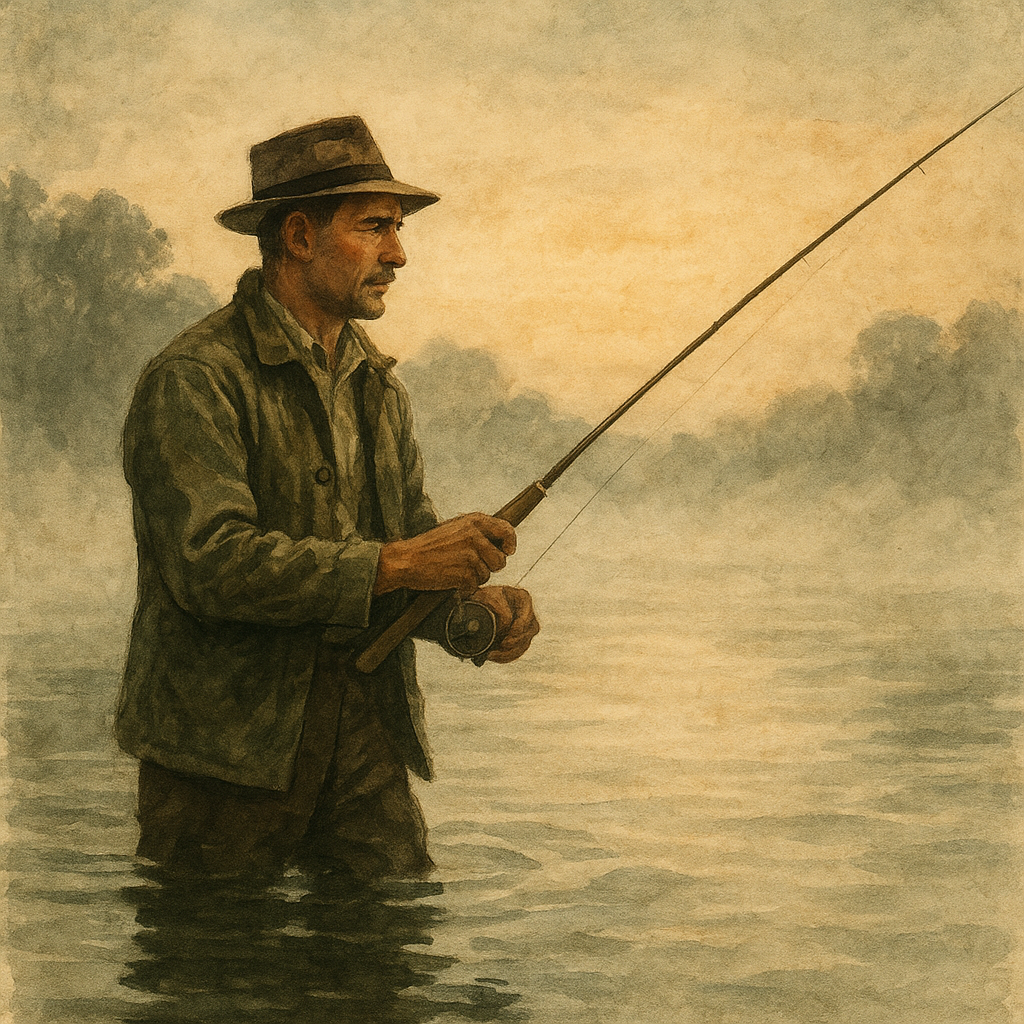
Chesapeake Bay at Annapolis: Salt, Stripes, and the Docks
The day was salt and wind. The bay wore a pale gray, the kind that makes the water look cold even when the sun lingers. I rolled off the road after four hours from Smith Mountain Lake, Virginia. The road hum hummed and then fell still as I found Annapolis. The docks breathed with work. Cranes moved with a patient rhythm. Lines snapped taut against the hulls like tiny whips.
I came for striped bass, for bluefish. The bay is not kind all the time. It is honest. It will make you earn your fish. Today it was patient. The current moved in short, stubborn ticks. A boat slid by with its own weathered story. Men shouted to one another. A gull dived, and the water rose in a slick of silver.
I walked the edge of the dock, eyeing the channels. The water held salt warmth and a hint of iron from the old ships. I tested a few spots where the current turned, where bags of bait drifted like dull fireflies. The bite came in spurts. One strip of weathered metal, a tire mark, and the fish came alive in the ledge of shadow.
The striped bass did not roar. They spoke in quick tremors under the surface. A bluefish followed the strip, black and gleaming, a small pocketknife of a fish. They moved with speed, the kind that makes your wrist tight and your breath shallow. I reset, cast again, and let the line cut clean through air and salt. The reel sang, a dry note in the spray.
Annapolis gives you a writer’s pause. You hear the water more clearly when the day is quiet. The docks tell their own rough weather in a hundred small sounds. A cleat rattles in the wind. A pulley stutters. A fish moves unseen, and you are awakened to the idea that a good cast is a patient lie told well.
The drive to this bridge of commerce, this corridor of boats and boats’ memory, was worth the miles. The wind kept the chill honest. My hands stayed warm enough in the gloves of routine. The water tastes of old nets and new hope. After the layover of boats and chatter, I knew the next stop would be Assateague Island. The map said the road would bend there, closer to wild, farther from the harbor’s arithmetic.
Evening fell soft. A light rain began, not enough to wash the salt from my hands, just enough to remind me that the bay is a ledger of days lived. I kept to the working docks, careful not to disturb the jobs that keep the town alive. The striped bass and bluefish kept to their own calendars, and I kept to mine, a rhythm of casts and patience.
Gear Used
- Orvis Clearwater Fly Rod 5wt — dependable, easy in rough water
- RIO Gold Fly Line — cuts wind, holds tight to current
- Shimano Stradic FM Spinning Reel — smooth retrieve, light on the hands
I learned to respect the water’s mood, to read a ripple as a sentence rather than a question. The bay answered in short, clean lines when I kept my movements simple and steady.
The tide turns for those who listen.